Glen Waverley RSL Gutted in Major Fire: Kitchen Suspected Origin Amid Troubling Trend
A beloved community hub in Melbourne’s southeast, the Glen Waverley RSL Club, has been left extensively damaged following a ferocious early morning blaze. The incident, which unfolded on Coleman Parade, has sent shockwaves through the local community, highlighting the vulnerability of cherished establishments to the devastating power of fire. While preliminary investigations point towards the kitchen area as the likely origin, the fire at Glen Waverley RSL also sadly marks the second significant RSL club fire in Melbourne within a matter of days, prompting serious concerns about fire safety and prevention across the city.
The Devastating Morning: A Blaze Engulfs Glen Waverley RSL
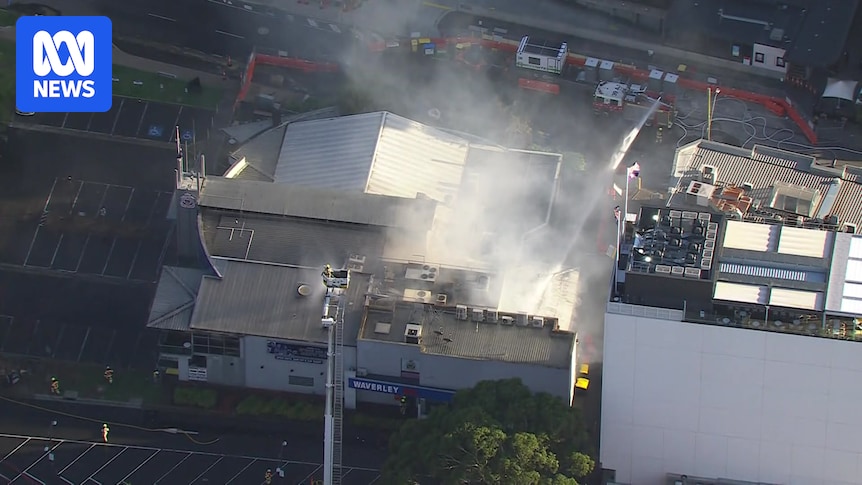
The quiet morning in Glen Waverley was abruptly shattered around 7:10 AM when multiple urgent calls flooded into Triple Zero, reporting a significant fire at the Waverley RSL. The speed and intensity of the developing inferno prompted an immediate and substantial emergency response, with more than two dozen fire trucks dispatched rapidly to the scene. Firefighters arriving at the club were confronted with a daunting sight: a fully involved blaze, with flames already raging and threatening to consume the entire structure.
The immediate priority for Fire Rescue Victoria (FRV) crews was to contain the fire and prevent its spread. This necessitated the deployment of aerial appliances, allowing firefighters to combat the intense flames from above, a tactic often employed when dealing with large-scale structural fires where roof access is compromised or too dangerous. Visual documentation from the scene starkly illustrated the fire's severity, showing significant portions of the roof having collapsed – a testament to the destructive heat and structural integrity loss.
Fortunately, in what can only be described as a significant relief amidst the devastation, police confirmed that no individuals were present inside the RSL club when the fire broke out. This crucial detail averted a potentially tragic loss of life or serious injuries, shifting the focus entirely to asset protection and fire containment. As the battle against the blaze continued for approximately two hours, FRV issued an advisory to local residents, warning of widespread smoke in the air and urging the public to keep roads clear for the continued stream of emergency vehicles. The smoky aftermath blanketed the Glen Waverley area, raising legitimate concerns among nearby residents about air quality and general safety. The club quickly communicated with its members via social media, confirming closure for the day and promising further updates as the full extent of the damage and recovery plan became clearer.
Unpacking the Origin: Kitchen Suspected in Glen Waverley Inferno
While a thorough investigation will undoubtedly follow, preliminary findings from Fire Rescue Victoria indicate that the fire at the Glen Waverley RSL may have originated within the establishment’s kitchen area. This suspicion immediately draws attention to the inherent fire risks associated with commercial kitchens, which are often bustling hubs of activity, housing numerous high-temperature appliances and combustible materials.
Commercial kitchens are statistically higher-risk zones for fire outbreaks due to a confluence of factors:
- Grease Accumulation: Over time, grease can build up in exhaust ducts, on cooking surfaces, and around fryers. This highly flammable substance can easily ignite, leading to rapidly spreading fires, especially in ventilation systems.
- Electrical Faults: With numerous ovens, fryers, griddles, refrigerators, and other appliances, electrical wiring and equipment are constantly under strain. Faulty wiring, overloaded circuits, or malfunctioning appliances can easily spark a fire.
- Unattended Cooking: Even a momentary lapse in supervision can allow cooking oil to overheat and ignite, or for food left on a stovetop to catch fire.
- Flammable Materials: Discarded packaging, paper products, cleaning chemicals, and cooking oils can all act as fuel for a fire if not stored correctly or located too close to heat sources.
- Human Error: Incorrect use of equipment, improper storage of flammables, or failure to follow safety protocols can all contribute to fire incidents.
Understanding these common culprits is the first step in effective fire prevention. For commercial establishments like RSLs, which serve large numbers of patrons and often operate extensive kitchens, rigorous safety protocols are not just advisable but absolutely critical. This includes regular, professional cleaning of exhaust systems, routine maintenance and inspection of electrical appliances, and comprehensive staff training on fire safety procedures, including the proper use of fire extinguishers. While the specific cause within the Glen Waverley RSL kitchen is still under investigation, this preliminary finding serves as a stark reminder of the unique challenges and responsibilities associated with maintaining safe commercial cooking environments. Further analysis into the
Glen Waverley RSL Fire: Community Alerted as Investigators Probe Cause will be crucial in determining the exact ignition point and contributing factors.
A Troubling Trend: Melbourne's RSL Clubs Under Fire
The devastating fire at Glen Waverley RSL takes on an even more alarming significance when viewed in the context of recent events. This incident marks the second major fire to strike an RSL club in Melbourne within an incredibly short timeframe, prompting widespread concern and raising questions about fire safety protocols in these vital community establishments. Just days prior, on Thursday, the Sunshine RSL Sub Branch and its adjoining bowling club in Melbourne’s west were completely destroyed by fire. Investigations into that incident revealed a truly unexpected cause: spontaneous combustion occurring in a clothes dryer that was, remarkably, not even operational at the time.
The proximity of these two devastating events – one potentially kitchen-related, the other due to an unusual appliance malfunction – has undoubtedly sent shivers through the RSL community and local officials alike. RSL clubs hold a profound place in Australian society, serving not only as social venues but as crucial support networks for veterans and their families, and as repositories of local history and community spirit. The loss of these facilities, even temporarily, can have a deep and lasting impact on their members and the broader community. For more insights into this concerning pattern, read
Melbourne RSL Fires Spark Alarm: Glen Waverley Blaze Follows Sunshine Disaster.
The twin blazes underline a critical need for enhanced scrutiny into fire prevention measures within all similar establishments. While the specific causes may vary, the outcome – significant damage and disruption – is consistently devastating. This trend serves as a powerful reminder that fire safety can never be taken for granted, and vigilance is paramount across all aspects of building management, from routine kitchen maintenance to the careful handling and storage of all types of equipment, even those seemingly innocuous.
Proactive Measures: Safeguarding Commercial Premises Against Fire
The recent spate of fires, particularly the melbourne rsl fire incidents, underscores the critical importance of robust fire safety measures, especially in commercial and community spaces. While no system can offer 100% guarantee against every possible scenario, proactive steps can significantly reduce risk and mitigate damage.
For establishments with commercial kitchens, like the Glen Waverley RSL, implementing stringent fire prevention protocols is non-negotiable:
- Regular Deep Cleaning: This is paramount. Kitchen exhaust hoods, ducts, filters, and all cooking surfaces must be regularly cleaned by certified professionals to remove grease build-up. Neglecting this is a leading cause of commercial kitchen fires.
- Appliance Maintenance: All electrical and gas appliances should be regularly inspected and serviced by qualified technicians. This includes fryers, ovens, stovetops, dishwashers, and refrigeration units. Faulty wiring or gas leaks are serious fire hazards.
- Staff Training: Kitchen staff must be thoroughly trained in fire safety, including safe operating procedures for all equipment, the location and proper use of fire extinguishers (especially wet chemical extinguishers for kitchen fires), and emergency evacuation protocols.
- Fire Suppression Systems: Commercial kitchens should be equipped with automatic fire suppression systems (e.g., wet chemical systems) above cooking equipment, designed to detect and extinguish fires quickly.
- Proper Storage: Flammable materials such as cooking oils, paper products, and cleaning chemicals should be stored away from heat sources and in designated, compliant storage areas.
Beyond the kitchen, general fire safety for public buildings includes:
- Functional Fire Alarms: Regularly test and maintain smoke detectors and fire alarm systems.
- Clear Exit Routes: Ensure all emergency exits are clearly marked, unobstructed, and easily accessible.
- Emergency Lighting: Maintain backup lighting to guide occupants during power outages.
- Fire Drills: Conduct regular fire drills to ensure staff and frequent patrons know what to do in an emergency.
- Sprinkler Systems: Where installed, ensure these are regularly inspected and maintained according to regulations.
- Electrical Safety Audits: Periodically conduct professional electrical safety audits of the entire premises.
These measures, while requiring investment and consistent effort, are invaluable in protecting lives, property, and the continuity of cherished community services.
Conclusion
The major fire that has gutted the Glen Waverley RSL is a stark and painful reminder of the destructive power of uncontrolled blazes and the ever-present need for vigilance in fire safety. While investigations are ongoing, the preliminary suspicion of a kitchen origin points to critical areas where prevention efforts must be intensified. Coupled with the recent destruction of the Sunshine RSL, these incidents have undeniably sparked alarm across Melbourne, underscoring a troubling trend for beloved community institutions. The Glen Waverley RSL, a place of camaraderie, remembrance, and community support, now faces a challenging road to recovery. As the community rallies around it, these events serve as a potent call to action for all commercial and public venues to critically review and enhance their fire prevention and emergency response strategies, ensuring the safety and longevity of the spaces that bind our communities together.