Glen Waverley RSL Fire: Community Alerted as Investigators Probe Cause
In a sobering turn of events that has reverberated across the local community, a major fire ripped through the Waverley RSL Club on Coleman Parade in Glen Waverley, Melbourne, sending plumes of smoke across the suburb and prompting a massive emergency response. The incident, occurring in the early hours of the morning, caused extensive damage to the beloved community hub and has left residents and members grappling with the aftermath. This devastating Glen Waverley RSL Gutted in Major Fire: Kitchen Suspected Origin marks the second significant RSL fire in Melbourne within a matter of days, raising pressing questions about fire safety and prevention measures in these vital community establishments.
The Blaze Unfolds: A Morning of Emergency in Glen Waverley
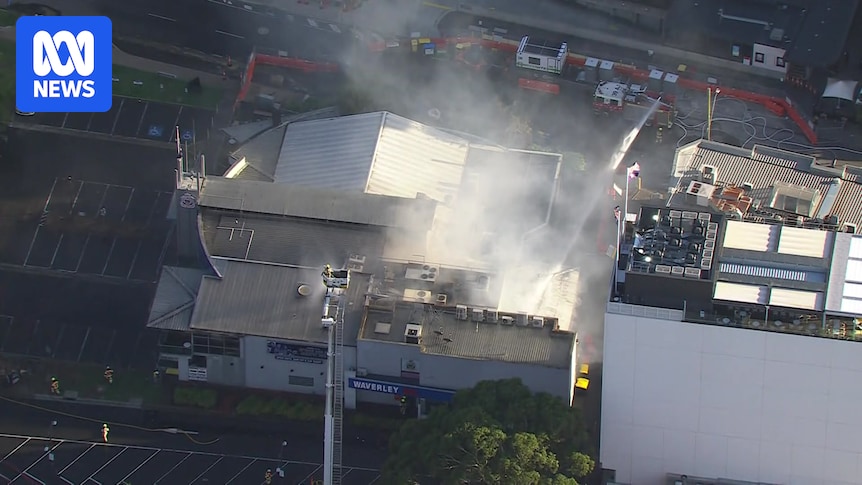
The serenity of early morning in Glen Waverley was shattered around 7:10 AM when multiple distress calls flooded Triple Zero, reporting a significant fire at the Waverley RSL Club. The urgency of the situation was immediately apparent, triggering the dispatch of an overwhelming emergency contingent: more than two dozen fire trucks, accompanied by a host of Fire Rescue Victoria (FRV) personnel, converged on the scene. Firefighters arriving at the club were met with a formidable blaze, its intensity quickly consuming parts of the structure.
The ferocity of the fire necessitated a multi-pronged attack. Aerial appliances were deployed, allowing crews to battle the inferno from above, targeting flames that had breached the roof. Visual evidence from the scene depicted a dire situation, with sections of the roof having already collapsed, a stark indicator of the extreme heat and structural compromise. Despite the dramatic scale of the fire and the extensive damage, a crucial piece of good news emerged early on: police confirmed that no individuals were present inside the club at the time of the incident, mercifully averting potential injuries or fatalities.
For over two hours, firefighters engaged in an intensive, arduous battle against the relentless flames. Their concerted efforts, employing advanced techniques and sheer determination, eventually brought the inferno under control. However, the immediate aftermath left a smoky pall hanging over the Glen Waverley area, a visible reminder of the morning's dramatic events and a cause for concern among nearby residents.
Unraveling the Cause: Kitchen Suspected, Investigations Underway
As the smoke cleared and the immediate danger subsided, attention swiftly turned to understanding how such a devastating incident could occur. Fire Rescue Victoria reported that preliminary investigations suggested the fire may have originated in the kitchen area of the establishment. This initial assessment, while not definitive, points towards a common zone for commercial fires, where a combination of heat, electrical equipment, and flammable materials can create significant risks.
Fire investigations are meticulous and complex processes, often involving forensic analysis to pinpoint the exact origin and cause. Investigators will examine everything from electrical wiring and gas lines to cooking equipment, ventilation systems, and potential fuel sources. Every piece of charred debris, every scorch mark, and every witness account contributes to piecing together the puzzle. The goal is not only to determine what happened but, crucially, to identify any contributing factors or systemic issues that could inform future prevention strategies.
Understanding the root cause is paramount for several reasons: it aids in insurance claims, helps prevent recurrence, and provides valuable lessons for other similar establishments. If the kitchen is indeed confirmed as the origin, investigators will delve deeper into specific equipment failures, maintenance practices, or operational procedures that might have played a role. This thorough approach is essential to ensuring the safety of RSL clubs and other commercial venues across Melbourne and beyond.
A Community Responds: Impact, Alerts, and Resilience
Beyond the physical damage, the Glen Waverley RSL fire has had a profound impact on the local community. RSL clubs are more than just venues; they are vital community hubs, offering a place for camaraderie, support for veterans, and social gatherings for countless members. The temporary — and potentially extended — closure of the Waverley RSL leaves a significant void.
During the incident, an advisory message was promptly issued to local residents, warning of smoke presence in the air and urging the public to keep roads clear for emergency vehicles. Such alerts are critical for public safety, mitigating health risks from smoke inhalation and ensuring that first responders can access the scene unimpeded. The community's response, by and large, demonstrated solidarity and cooperation, respecting the warnings and supporting emergency efforts.
The Waverley RSL itself, understanding the concern and attachment its members have, swiftly communicated through social media. They confirmed the club would remain closed for the day and promised to provide updates as more information became available. This prompt communication is vital in times of crisis, reassuring members and managing expectations about the club's future. The resilience of the RSL community, known for its enduring spirit, will undoubtedly be tested, but also strengthened, in the face of this challenge.
A Troubling Trend: Melbourne RSL Fires Spark Broader Concerns
What makes the Glen Waverley RSL fire particularly alarming is its timing. This incident marks the second significant Melbourne RSL Fire: Sunshine Disaster Follows Glen Waverley Blaze within just a few days. Just last Thursday, the Sunshine RSL Sub Branch and its adjoining bowling club in Melbourne's west were completely destroyed by fire. In a stark revelation, investigators determined that the Sunshine RSL fire was caused by spontaneous combustion occurring in a clothes dryer, which surprisingly, was not operational at the time.
This spate of major RSL fires has understandably raised alarm among local communities, officials, and fire safety experts. Two such devastating incidents in such close succession prompt a broader scrutiny into safety protocols, maintenance schedules, and fire prevention measures across similar establishments. The nature of these incidents — one potentially kitchen-related, the other involving a seemingly innocuous appliance like a dryer — highlights the diverse range of fire risks that businesses, especially those with public access, must contend with.
Practical Fire Safety Tips for Commercial Establishments:
- Regular Maintenance: Implement strict maintenance schedules for all electrical appliances, HVAC systems, and especially kitchen equipment. Grease build-up in exhaust systems is a notorious fire hazard.
- Electrical Safety Audits: Conduct periodic professional electrical safety audits to identify and rectify faulty wiring, overloaded circuits, or outdated systems.
- Appliance Vigilance: Be mindful of all appliances, even when not in use. The Sunshine RSL incident underscores that spontaneous combustion can occur, even in seemingly dormant machinery like clothes dryers due to residual heat, lint, or chemical interactions.
- Fire Suppression Systems: Ensure all areas, particularly kitchens, are equipped with functional and regularly serviced fire suppression systems (e.g., sprinkler systems, fire extinguishers, kitchen hood suppression systems).
- Emergency Exits & Evacuation Plans: Clearly mark and maintain unobstructed emergency exits. Regularly drill staff on evacuation procedures and assembly points.
- Staff Training: Train all staff on basic fire safety, including how to use fire extinguishers, identify potential hazards, and activate alarms.
- Alarm Systems: Install and regularly test smoke detectors, heat detectors, and fire alarm systems. Ensure they are connected to a central monitoring station.
- Waste Management: Proper disposal of flammable materials and regular clearing of waste can significantly reduce fire risks.
These incidents serve as a stark reminder that fire safety is an ongoing commitment, not a one-time check. Learning from each melbourne rsl fire event is crucial to safeguarding lives and preserving essential community infrastructure.
Conclusion
The Glen Waverley RSL fire is a significant blow to a cherished community institution. While the immediate danger has passed, the road to recovery and rebuilding will undoubtedly be long. The resilience of the Glen Waverley community, coupled with the support from broader Melbourne, will be essential in navigating this challenging period. As investigations continue to uncover the precise cause of this devastating melbourne rsl fire, and as the RSL community grapples with the wider implications of recent incidents, there is a renewed urgency for vigilance and proactive measures in fire safety. The focus now shifts to understanding, rebuilding, and ensuring that such tragedies are prevented in the future, allowing RSL clubs to continue their invaluable service to veterans and the wider public alike.